

Jaw surgery and orthognathic surgery are advanced surgical procedures designed to correct functional and aesthetic problems related to the jaw and facial structure. These surgeries can improve bite alignment, facial symmetry, chewing function, and overall quality of life. By integrating surgical expertise with modern medical technology, patients achieve predictable outcomes and long-term oral health benefits.
Bu Yazımızda Neler Var:
What Is Jaw Surgery?
Jaw surgery refers to a range of surgical procedures that correct problems affecting the jawbone’s structure and alignment. Conditions treated with jaw surgery include temporomandibular joint disorders (TMJ), jaw fractures, malocclusion (misaligned bite), congenital deformities, and facial asymmetry.
According to educational resources on jaw surgery, this procedure can be both functional and cosmetic. It restores jaw harmony to support chewing, speech, breathing, and facial balance.
Common Reasons for Jaw Surgery
The most common conditions requiring jaw surgery include:
- Severe bite misalignment (overbite, underbite, crossbite)
- TMJ dysfunction and chronic jaw pain
- Jaw fractures due to trauma
- Jaw growth abnormalities from birth
- Obstructive sleep apnea related to jaw position
Jaw surgery can involve repositioning the upper jaw (maxilla), lower jaw (mandible), or both, depending on the specific condition and patient goals.

What Is Orthognathic Surgery?
Orthognathic surgery is the medical term for corrective jaw surgery that specifically realigns the upper and lower jaws to correct skeletal discrepancies. It is often used when orthodontic treatment alone cannot fully resolve the alignment problem.
As described in expert sources on orthognathic surgery, this surgical approach treats irregularities of the jaw and teeth and improves both functional and aesthetic outcomes.
Orthognathic Surgery: Goals and Benefits
The primary aims of orthognathic surgery are:
- Correcting malocclusion and bite issues
- Improving chewing and speech function
- Enhancing facial symmetry and profile
- Alleviating jaw joint pain
- Supporting airway function and reducing sleep apnea symptoms
Orthodontic braces are often combined with orthognathic surgery to achieve ideal teeth alignment before and after the operation.
How Jaw Surgery and Orthognathic Surgery Work
Both jaw surgery and orthognathic surgery are typically performed under general anesthesia in a hospital or specialized surgical facility. The surgeon makes precise cuts in the jawbone, repositions the segments into the desired alignment, and secures them with plates, screws, or implants as needed.
These procedures require meticulous planning using digital imaging and 3D modeling to ensure accuracy and predictability of outcomes. This advanced preoperative planning helps minimize risks and optimize recovery.
Recovery Process After Jaw Surgery
Recovery from jaw surgery varies depending on the extent of skeletal movement and individual patient factors. However, the typical recovery includes:
- Initial swelling and discomfort for the first few days
- A soft or liquid diet for several weeks
- Gradual improvement in jaw function and comfort
- Follow-up orthodontic care in orthognathic cases
Most patients resume light daily activities within 1–2 weeks, with complete bone healing occurring over several months.
Benefits of Corrective Jaw Surgery
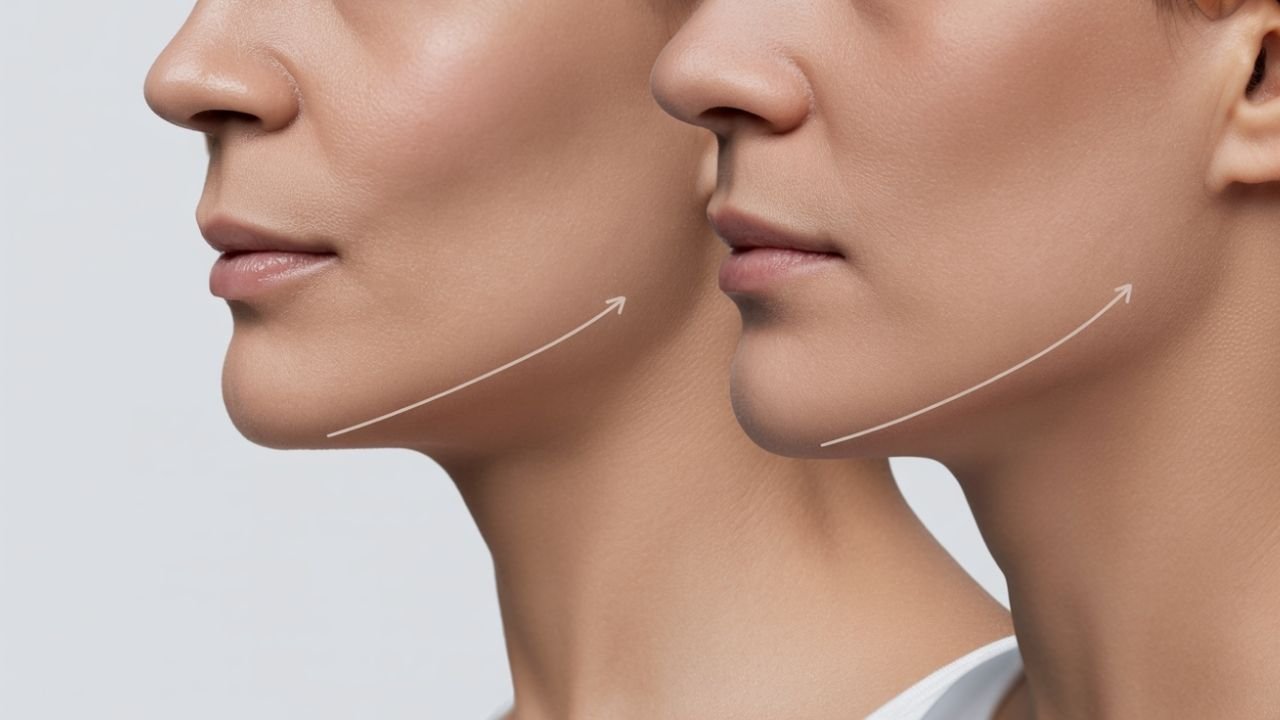
Corrective jaw surgery, also known as orthognathic surgery, is performed to realign the jaws and improve the way the teeth, bite, and facial structure work together. Beyond enhancing appearance, it can significantly improve daily functions such as chewing, speaking, breathing, and jaw comfort. For many patients, the procedure not only restores balance to the face but also relieves long-term pain and functional limitations, leading to a healthier and more confident quality of life.
Improved Bite Function
Corrective jaw surgery helps align the jaws properly, which improves chewing efficiency and reduces excessive pressure on the teeth. This lowers the risk of tooth wear, fractures, and long-term dental problems.
Enhanced Facial Harmony
By repositioning the jaws, the surgery creates more balanced facial proportions. This often leads to improved facial symmetry and a stronger, more aesthetically pleasing profile — helping many patients feel more confident in their appearance.
Pain Relief
Misaligned jaws can place strain on the jaw joints and surrounding muscles. Corrective jaw surgery can reduce TMJ-related tension, headaches, and chronic pain by restoring proper alignment and function.
Better Airway Health
Jaw misalignment can sometimes contribute to restricted airways and sleep-related breathing disorders. Corrective jaw surgery may improve airflow and reduce issues such as snoring and obstructive sleep apnea.
Many patients report significant improvements in quality of life after surgery due to enhanced comfort, improved oral function, and better overall facial appearance.
Who Is a Candidate for Jaw Surgery?
Patients who may benefit from jaw surgery include those with:
- Skeletal bite problems not corrected by braces alone
- Chronic jaw pain or TMJ dysfunction
- Facial asymmetry or significant jaw misalignment
- History of facial trauma affecting jaw structure
- Breathing issues related to jaw position
A thorough evaluation by an oral and maxillofacial surgeon — often in conjunction with an orthodontist — is essential to determine the treatment plan based on individual needs and goals.
Frequently Asked Questions About Jaw Surgery
Jaw surgery and orthognathic surgery are powerful tools in modern oral and maxillofacial care. From correcting functional bite problems to enhancing facial balance, these surgical procedures offer long-term benefits when appropriately planned and executed. Supported by advanced imaging technology and individualized treatment protocols, patients can achieve improved oral health, facial aesthetics, and quality of life.
What is jaw surgery and why is it done?
Jaw surgery, also called orthognathic surgery, is performed to correct misalignment of the upper and lower jaws. It helps improve chewing, speaking, breathing, facial symmetry, and overall oral function when orthodontics alone is not enough.
Who is a good candidate for jaw surgery?
People with severe bite problems, facial asymmetry, jaw pain, difficulty chewing, or breathing problems related to jaw position may be good candidates. A specialist evaluates bone structure, dental alignment, and overall health before recommending surgery.
Is jaw surgery painful?
The surgery is performed under anesthesia, so there is no pain during the procedure. Some swelling and discomfort are expected afterward, but these are managed with medication and gradually improve during the healing process.
How long does recovery from jaw surgery take?
Initial recovery usually takes 2 to 4 weeks, while complete bone healing may take several months. Most patients return to daily activities within a few weeks, following their surgeon’s guidance.
Will I need braces before or after jaw surgery?
In most cases, orthodontic treatment is required before and sometimes after surgery to ensure the teeth and bite align correctly once the jaws are repositioned.
Does jaw surgery change facial appearance?
Yes, jaw surgery can improve facial balance and profile by aligning the jaws. Although the changes may be subtle or more noticeable depending on the case, most patients experience a more harmonious and natural appearance.
Is jaw surgery safe?
Jaw surgery is considered safe when performed by an experienced oral and maxillofacial surgeon. As with any surgery, there are risks, but careful planning and modern techniques help minimize complications.
Will I have scars after jaw surgery?
Most incisions are made inside the mouth, meaning there are usually no visible external scars. In rare cases where an external incision is needed, surgeons place it discreetly.
Can jaw surgery help with TMJ pain?
Yes, if TMJ problems are caused by jaw misalignment, corrective jaw surgery may reduce or eliminate joint strain, muscle tension, and chronic pain.
Does jaw surgery help with sleep apnea?
In some patients, repositioning the jaws can widen the airway and improve airflow during sleep, reducing symptoms of obstructive sleep apnea.
How long will I need to stay in the hospital after jaw surgery?
Most patients stay in the hospital for 1 to 2 days for observation and early recovery support, depending on the complexity of the procedure and their general health.
How soon can I eat normally after jaw surgery?
Patients usually follow a liquid or soft-food diet for several weeks before slowly returning to normal eating. Your surgeon will provide a personalized nutrition plan during recovery.