


Which Are the Best Pacemaker Brands? How Is a Pacemaker Implanted? What Is a Pacemaker and How Does It Work?
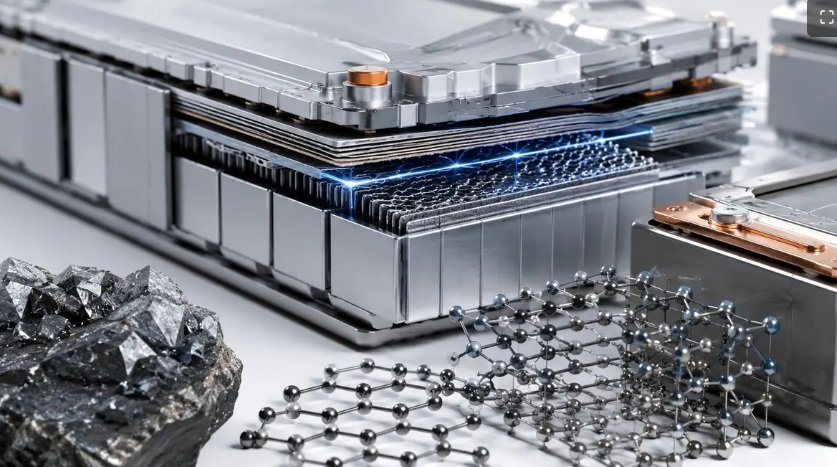
What is a pacemaker is a medical device used in individuals with heart rhythm disorders. It is used to regulate and control the electrical activity of the heart. A pacemaker runs on a low-energy battery. This battery is connected to electrodes that transmit electrical signals to the heart. A pacemaker helps the heartbeats continue in a regular and healthy way.
Bu Yazımızda Neler Var:
What Is a Pacemaker and How Does It Work?
A pacemaker sends electrical signals to correct abnormalities in the heart’s rhythm. What is a pacemaker is a device that works with the energy supplied by a battery. The electrodes, connected to the battery, are placed inside or near the heart. Thanks to these electrodes, the pacemaker transmits electrical signals to the heart and regulates the heart rhythm. The electrodes monitor the heartbeat and, when needed, send electrical signals to make the heart muscle contract.

How Is a Pacemaker Implanted?
What is a pacemaker and the implantation process is a surgical method used in cases where the heart beats irregularly. This procedure is usually performed in a hospital. Some preparation steps are taken before the operation. During this stage, the patient is evaluated before surgery, necessary tests are carried out, and the patient is informed. Anesthesia is administered to the patient who is suitable for surgery, and the incision and opening process is performed.
Afterwards, the pacemaker is properly placed and the incision is stitched closed. This procedure includes the main steps of what is a pacemaker and the implantation process, and is an important surgical intervention performed to ensure a regular heartbeat.
What Does a Pacemaker Do?
A pacemaker is used to ensure a regular heartbeat in people with heart rhythm disorders. What is a pacemaker—with its special sensors—detects heart rate and sends electrical impulses when needed so the heart muscles contract properly. In this way, the heart beats regularly and the oxygen and nutrients the body needs are delivered in a healthy manner.
Lifespan of Patients With Pacemakers
The lifespan of patients with pacemakers generally varies depending on the condition for which the pacemaker was implanted and the overall health status of the patient. An answer to the question what is a pacemaker is that it is a device used to regulate the heart rhythm. A pacemaker helps correct heart rhythm disorders and ensures that the heart functions regularly. Therefore, the lifespan of patients with pacemakers usually increases.
The lifespan of patients with pacemakers may be affected by several factors. These include the duration of pacemaker use, timely replacement of the battery, the patient’s lifestyle, the presence of other medical conditions, and compliance with the treatment plan. With regular monitoring and proper care, the lifespan of patients with pacemakers can be extended.
How Is a Pacemaker Implanted Without Surgery?
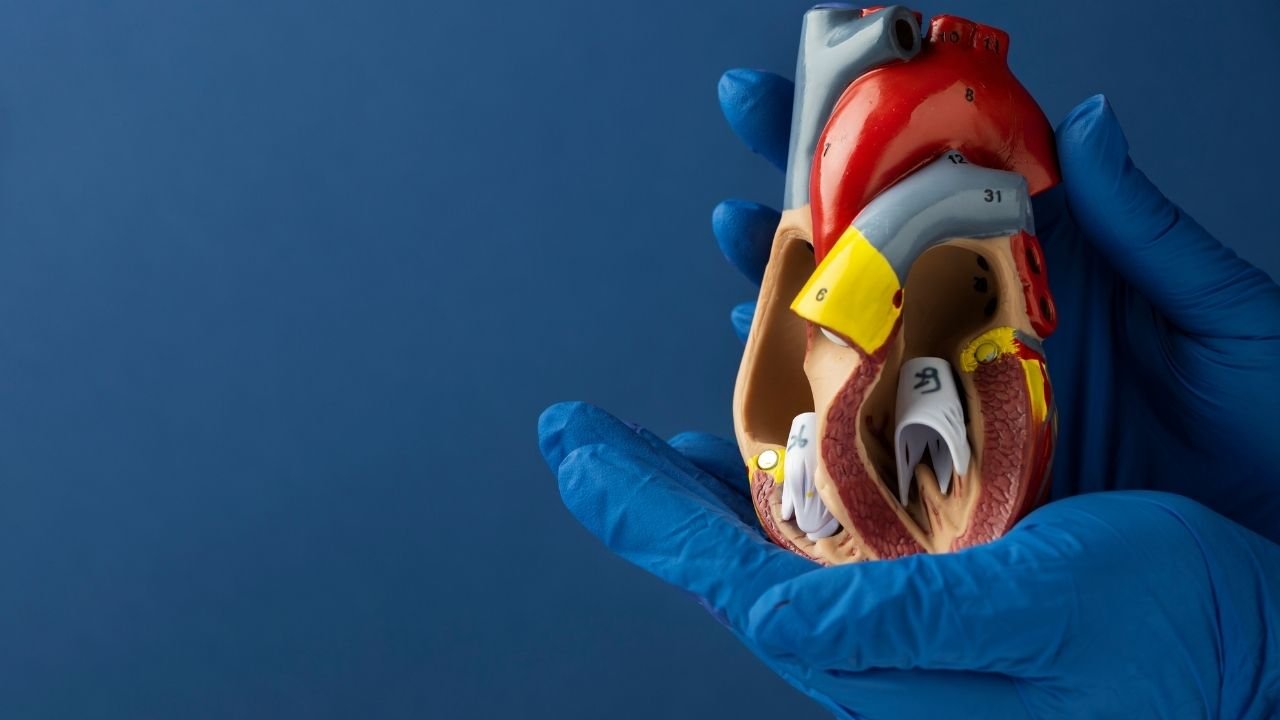
A non-surgical pacemaker is used to correct patients’ heart rhythms and help them maintain normal heart function. This pacemaker is located outside the body and controls the heart’s electrical activity through electrodes placed under the skin. This procedure has many advantages. Since it allows easier intervention in the future, it is also a less painful method.
In addition, because the device is placed under the skin, the recovery and mobilization period is shorter. The hospital stay for this surgery is about 2–5 days, and the observation period is also shorter. In addition, **robotic surgery** techniques are also used.
Which Are the Best Pacemaker Brands?
There are certain important factors to consider when choosing a pacemaker. These include the brand and quality of the pacemaker, the battery life and replacement interval, the size and compatibility of the pacemaker, and the warranty period. Each of these factors should be evaluated according to the patient’s needs and what a pacemaker is. Some pacemaker brands that can be recommended for patients are:
- Abbot – St Jude
- Biotronik
- Liva Nova
- Medtronic
Reviews From Patients With Pacemakers
Patients with pacemakers often share their experiences on various platforms where they also support each other. Patients state that they have found the answer to the question what is a pacemaker and that, after implantation, they achieved a better quality of life. Thanks to the regular functioning of the device, they report increased energy and an ability to perform daily activities more easily.
In addition, it is clear that the hospital and region where the surgery is performed are also very important. Especially to prevent possible risks after the operation, it is essential to provide the necessary information and support. The patient’s morale after surgery must also be kept high. It is known that morale is as valuable as the surgery itself during the recovery process.
Pacemaker Surgery Price — Examination
Just like the question what is a pacemaker, the cost of this surgery is also among the most curious topics. The pre-surgery examination fees may vary from hospital to hospital. For example, there may be differences between the examination cost in Istanbul and the examination cost in Adana. On average, the regional examination fees are as follows:
| Region Where the Examination Is Performed | Average Examination Fee |
| Istanbul | 2000 TL–3000 TL |
| Izmir | 1800 TL–2600 TL |
| Adana | 1700 TL–2400 TL |
| Ankara | 1900 TL–2800 TL |
What Changes the Pacemaker Surgery Price After Examination?
The pacemaker surgery price after examination becomes clearer because cardiology evaluation is the main stage that determines which device is required and the scope of the procedure. Tests such as ECG, ECHO and Holter monitor are used to analyze the type of arrhythmia, and pacemaker selection is planned individually. This approach evaluates the cost not as a single item but based on medical necessity and follow-up needs.
One of the most important factors affecting the price is the **type of pacemaker** and its technological features. While a standard pacemaker is sufficient for some patients, in other cases more advanced devices such as ICD or CRT may be required, which can change the total cost. As the model, battery life, sensor sensitivity, and rhythm-tracking features of the device increase, the pacemaker surgery price after examination also varies accordingly.
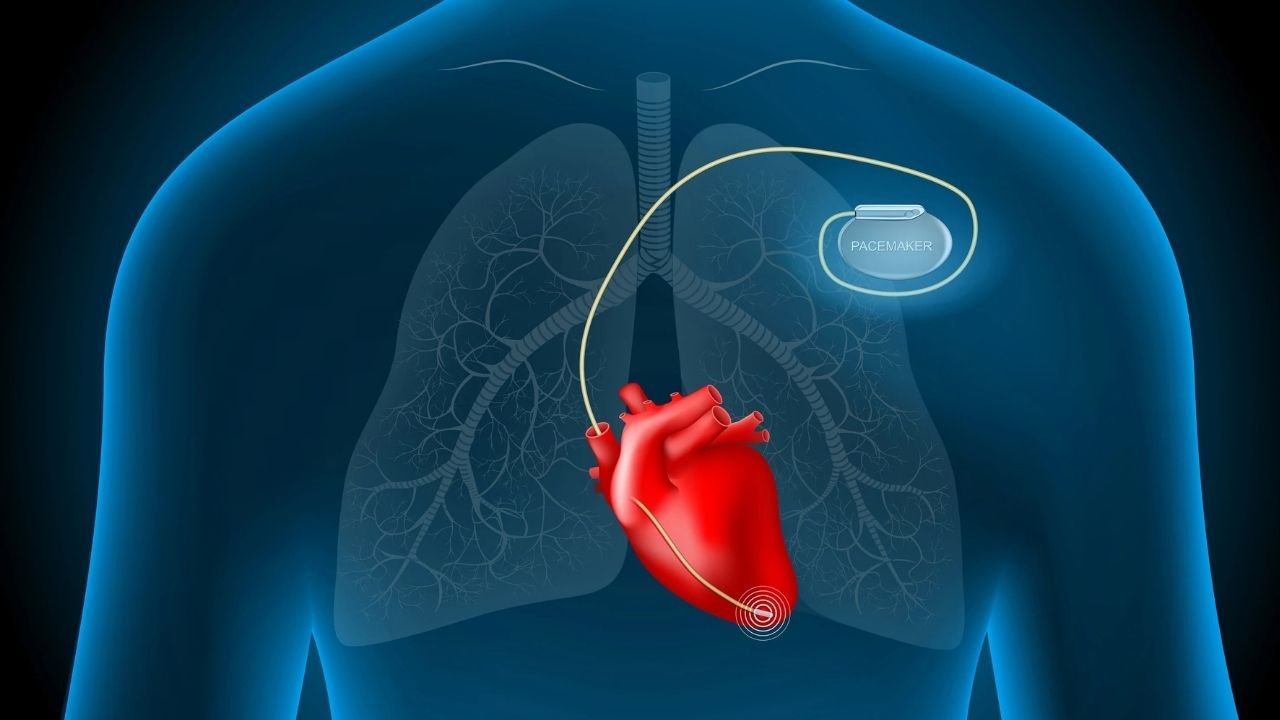
The infrastructure of the center where the surgery is performed, the equipment used during the procedure, and the post-operative follow-up plan also play a determining role in the price. Post-operative control examinations, device settings, and regular cardiology follow-ups are an important part of the treatment; in some centers these controls may be included in a package. In addition, **SGK coverage**, private hospital practices, and the need for additional tests can lead to different results in terms of **pacemaker surgery price**.
The healthiest approach is to clearly explain the device options recommended after the examination, possible additional procedures, and the frequency of follow-up. In this way, people planning **pacemaker implantation** are guided to the medically correct option and can plan their budget more predictably. Therefore, the **pacemaker surgery price after examination** should be evaluated not only as a cost, but together with safe treatment and correct device selection.
Frequently Asked Questions
In the frequently asked questions section, the most wondered and commonly encountered questions about the topic are answered. In this way, people’s concerns about the subject are resolved. Readers are also provided with the clearest and most accurate answers. Some of the frequently asked questions about what is a pacemaker are as follows:
1 -What Can People With Pacemakers Not Do?
There are certain things that people with pacemakers should avoid unless necessary. These situations affect both the patient and the lifespan of the pacemaker. To protect the electrical values of the device, the person should stay away from high-voltage electrical sources. They should also avoid **weak-current** electrical fields in electronic devices and avoid excessive fatigue.
2 -What Is a Pacemaker? Is the Surgery Risky?
Pacemaker surgery, like many other surgical procedures, carries certain risks. Most of these risks can be prevented with proper precautions. Examples include blood clot formation in the veins, or air entering between the heart and its membrane. Therefore, regular check-ups must be performed and doctor’s recommendations carefully followed.
3 – What Is a Pacemaker and How Do We Know When the Battery Is Empty?
Pacemakers generally function for a certain lifespan. Some brands give a warning when the battery level decreases. These warnings should be taken seriously and the battery should be replaced before it is completely drained. People can also understand this through regular hospital check-ups. The average battery life is 5–15 years.
4 – When Does a Pacemaker Deliver a Shock?
Questions such as what is a pacemaker and when does it shock can have different answers. A pacemaker adjusts shocks according to heart rhythm. When a rhythm disorder occurs, the pacemaker detects this and delivers the necessary shock to regulate the rhythm.
5 – How Long Does a Person With a Pacemaker Live?
The lifespan of a person with a pacemaker does not directly depend on the device, but on the underlying heart disease and general health condition. A pacemaker aims to regulate heart rhythm and improve quality and length of life. Patients who attend regular check-ups and follow medical advice can live a life close to normal life expectancy.
6 – In Which Cases Is a Pacemaker Implanted?
A pacemaker is preferred in rhythm disorders and conduction system diseases where the heartbeat becomes excessively slow. Complaints such as fainting, dizziness, sudden weakness, and heart pauses may indicate this need. The decision to implant a pacemaker is made after a cardiology examination and detailed tests.
7 – What Can People With Pacemakers Not Do?
People with pacemakers can largely continue their daily lives normally, but they must stay away from strong magnetic fields. Industrial machines, uncontrolled electromagnetic fields, and certain medical procedures without doctor approval may pose risks. Apart from this, walking and light exercise are generally safe.
8 – How Much Is a Pacemaker?
The price of a pacemaker varies depending on the type of device used, its technological features, and the healthcare institution where it is implanted. There are cost differences between single-chamber, dual-chamber, and advanced pacemakers. A clear price is determined after examination and device selection.
9 – At What Age Can a Pacemaker Be Implanted?
There is no specific age limit for pacemaker implantation and it can be applied at any age when needed. It may be implanted from the newborn period to advanced age groups. The decisive factor is not age, but the severity of the rhythm disorder.
10 – Does SGK Cover Pacemakers?
SGK covers pacemakers and surgery costs when the specified medical criteria are met. However, the model of the pacemaker used and whether the hospital has an agreement with SGK may result in additional charges. It is recommended to check SGK coverage before the procedure.
11 – Is There a Risk When Implanting a Pacemaker?
Pacemaker implantation is usually a low-risk procedure performed under local anesthesia. Infection, bleeding, or technical device problems are rare. The risk rate is quite low when performed in experienced centers.
12 – How Much Does Pacemaker Surgery Cost in a Private Hospital?
In private hospitals, the cost of pacemaker surgery varies depending on the device features and the services provided. The surgery fee, pacemaker price, and post-operative check-ups affect the total cost. Therefore, pricing is determined through personalized planning.
13 – Does SGK Cover Penile Implants?
Penile implant procedures, commonly known as “happiness sticks,” are covered by SGK under certain conditions. The type of implant used and whether the hospital has an agreement with SGK can affect this coverage. Since pacemaker and stent procedures are different treatments, they are evaluated separately.