
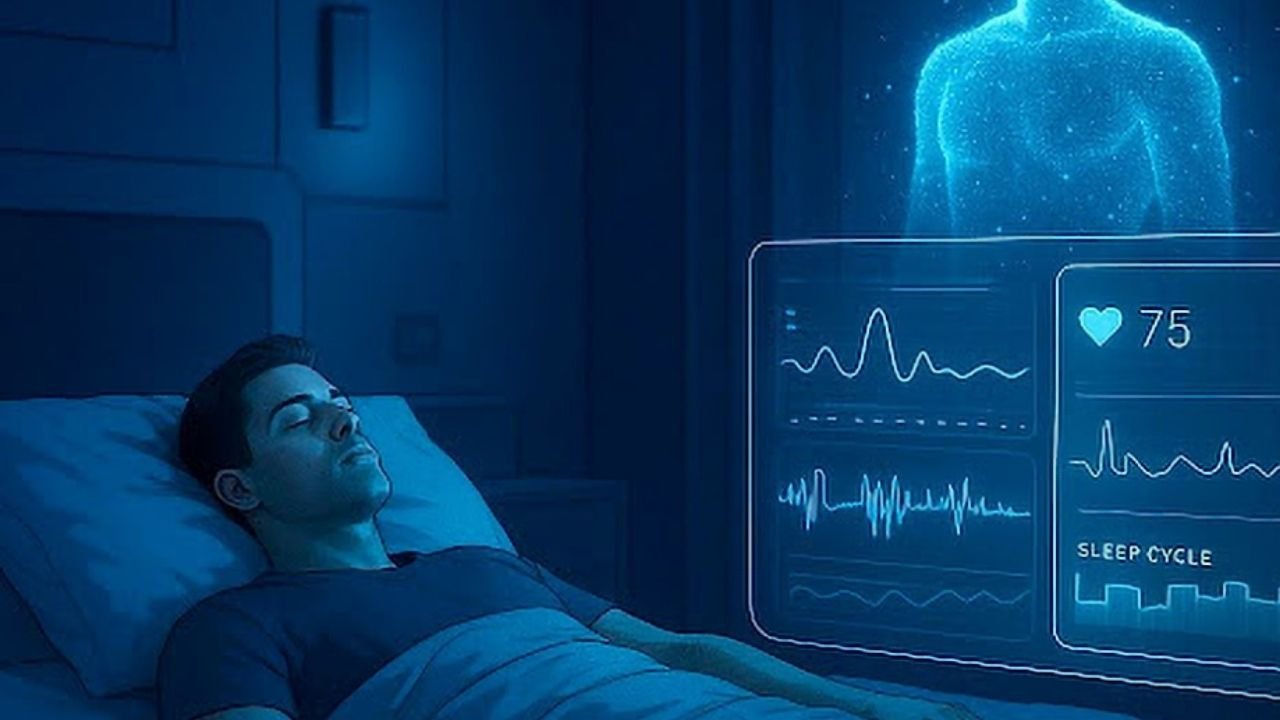

Monitoring 130 Diseases stands out as a new and remarkable approach in health technologies. Recent studies show that data obtained during a single night of sleep may help predict disease risks. Sleep is considered one of the rare processes that provides information about many bodily systems at the same time.
Bu Yazımızda Neler Var:
What Does Single-Night Sleep Data Reveal About Health?
During a single sleep session, multiple signals such as brain waves, heart rhythm, and breathing patterns are recorded simultaneously. When evaluated together, these data provide strong clues about the body’s overall condition. According to experts, sleep offers an important biological window for early risk detection.
How Does SleepFM Artificial Intelligence Work?
SleepFM artificial intelligence was developed as a model capable of analyzing numerous physiological signals collected during sleep at the same time. The system evaluates a single night of sleep data by linking it with past health information to predict potential disease risks. In this way, meaningful results can be obtained without the need for long-term monitoring.
Which Diseases Show Stronger Results?
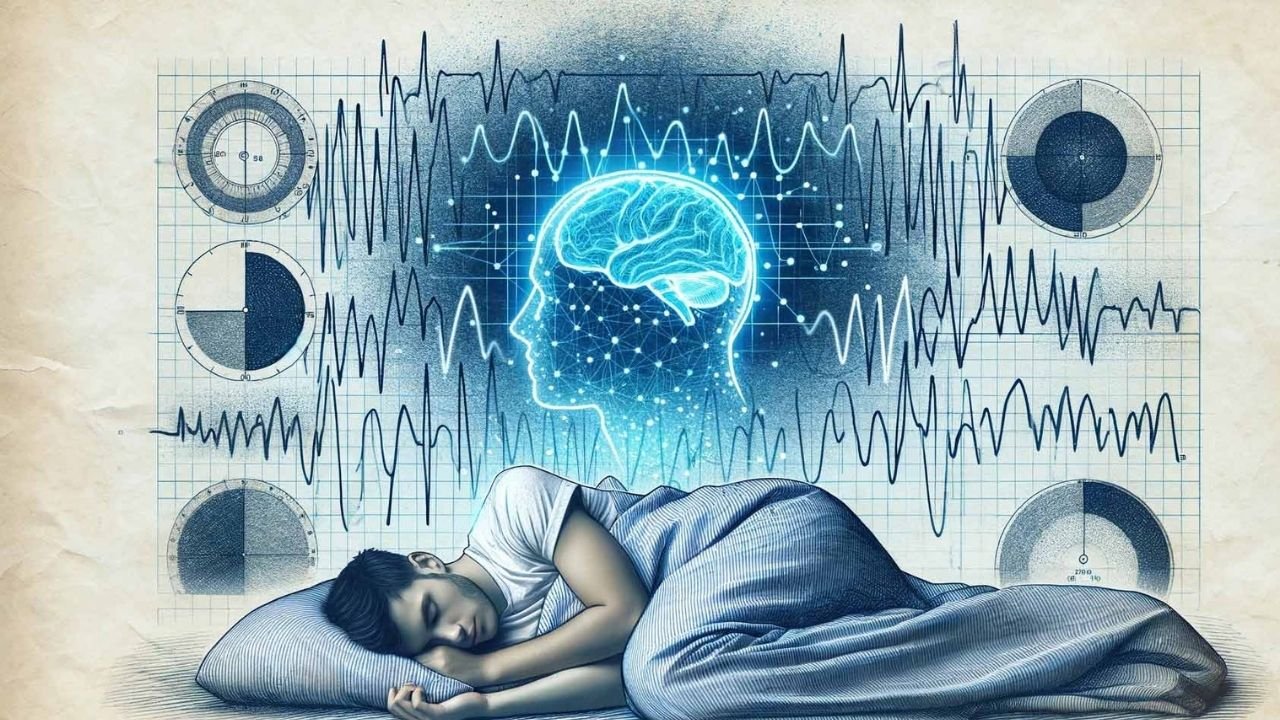
Within the scope of monitoring 130 diseases, cardiovascular conditions, neurological disorders, and certain chronic illnesses stand out. Research indicates that this method may be particularly valuable for diseases that do not show symptoms in their early stages. Sleep data plays an effective role in revealing hidden risks.
How Do Stanford Medicine Researchers Evaluate This Development?
Stanford Medicine researchers emphasize that sleep is not merely a period of rest. During sleep, all bodily systems operate in their natural flow, providing clearer and more reliable data. With the support of artificial intelligence–based analyses, these data can be transformed into meaningful health predictions.
How Could SleepFM Artificial Intelligence Change Health Monitoring?
Single-night sleep–based analyses have the potential to accelerate early diagnosis processes. Identifying risks before diseases emerge could strengthen preventive healthcare practices. At the same time, this approach may offer a new monitoring model that increases individual health awareness.
Will Sleep Data Become a Standard Health Tool in the Future?
Results obtained through SleepFM artificial intelligence suggest that sleep-based health analyses may become more widespread. In the coming years, sleep data is expected to be used more actively in personal health monitoring. This development is seen as the beginning of a new era in health technologies.
You May Also Like: Is Simplicity Making a Comeback in Smartwatches?