

Bu Yazımızda Neler Var:
How Does EIS Technology Change Battery Management?
While traditional monitoring methods mostly track values such as temperature, voltage, and current, EIS technology can provide a more precise “health reading” of the battery by analyzing internal resistance and cell condition. Battery management is no longer just a layer that checks instant values; it is evolving toward detecting degradation trends at the cell level much earlier. Generating warnings before the likelihood of failure increases offers a strong advantage in preventing unwanted scenarios.
Why Are Suppliers Investing in EIS Technology?
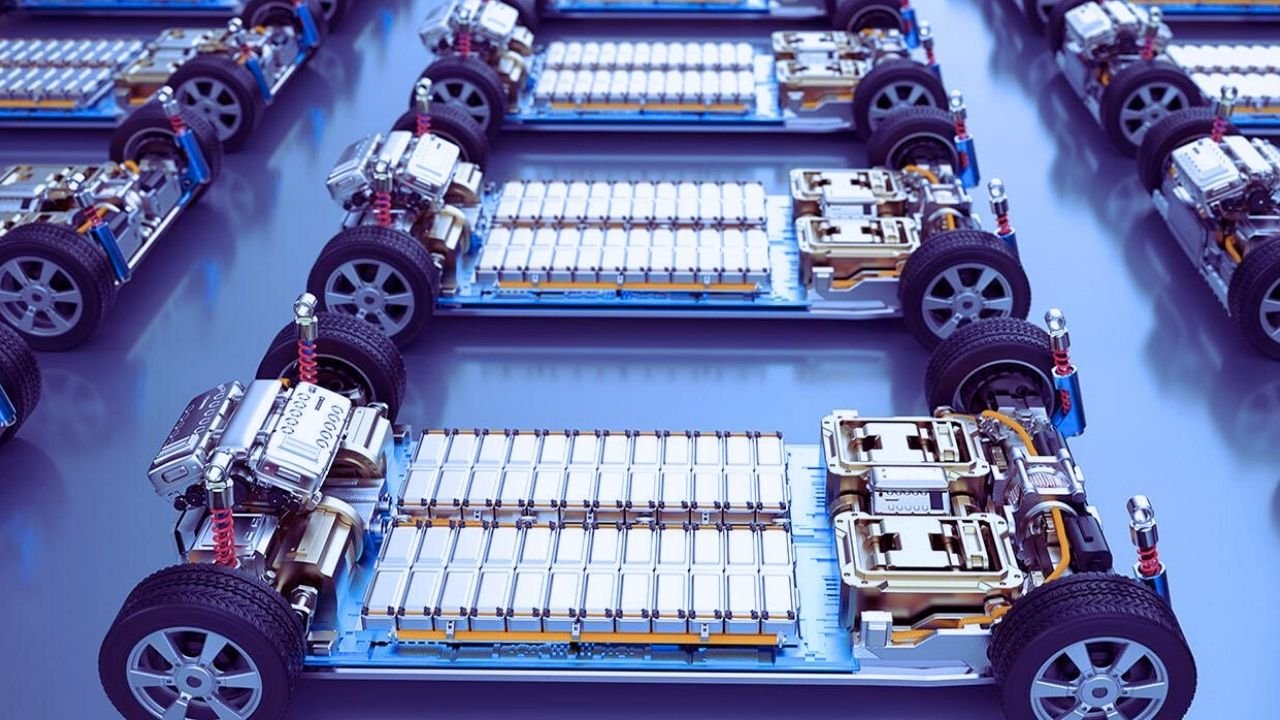
For suppliers, the primary goal is to deliver more reliable battery packs and more predictable performance to manufacturers. When EIS technology can be transferred from laboratory and production line tests to on-vehicle systems, it becomes possible to monitor high-voltage packs more closely under real-world conditions. As a result, suppliers and manufacturers appear to be aligning around a common objective: reducing safety risks at an early stage, maintaining sustainable performance, and placing user expectations on a more solid foundation.
What Could Be the Impact on Electric Vehicle Users?
For electric vehicle users, the most visible outcome may be a stronger sense of safety and more stable performance. When battery management systems can make more accurate decisions, charging and discharging cycles can be managed more evenly, supporting a more consistent progression of battery lifespan. In the long term, the wider adoption of methods such as EIS technology may help transform battery safety from an “extra feature” into a standard expectation.
Interested In: Why Is Quantum Technology Changing the Rules of the Technology World?